Home renovations rarely stay as simple as they look on paper. A homeowner decides to replace old windows, only to discover moisture damage around the frames. Someone updates the siding and realizes the gutters have been directing water toward the walls for years. What began as a cosmetic improvement suddenly becomes a much bigger project.
These surprises happen because a house is a connected system. Roofing, insulation, ventilation, drainage, and exterior materials all influence one another.
Understanding these connections can help homeowners plan improvements in the right order, avoid repeated construction work, and spend money on upgrades that deliver lasting benefits.
Imagine investing in freshly painted walls, new insulation, and beautiful flooring, only to discover that rainwater has been entering through an aging roof.
Suddenly, those interior improvements are at risk.
Before beginning expensive renovations, homeowners should assess the condition of the roofing system, particularly if there are missing shingles, recurring leaks, or visible signs of deterioration.
In some situations, roof replacement becomes a necessary first step because repairing isolated sections won’t adequately address widespread damage.
A professional inspection can determine whether the existing roof needs minor repairs or a more comprehensive upgrade.
The assessment should include flashing, underlayment, decking, and ventilation rather than focusing exclusively on shingles.
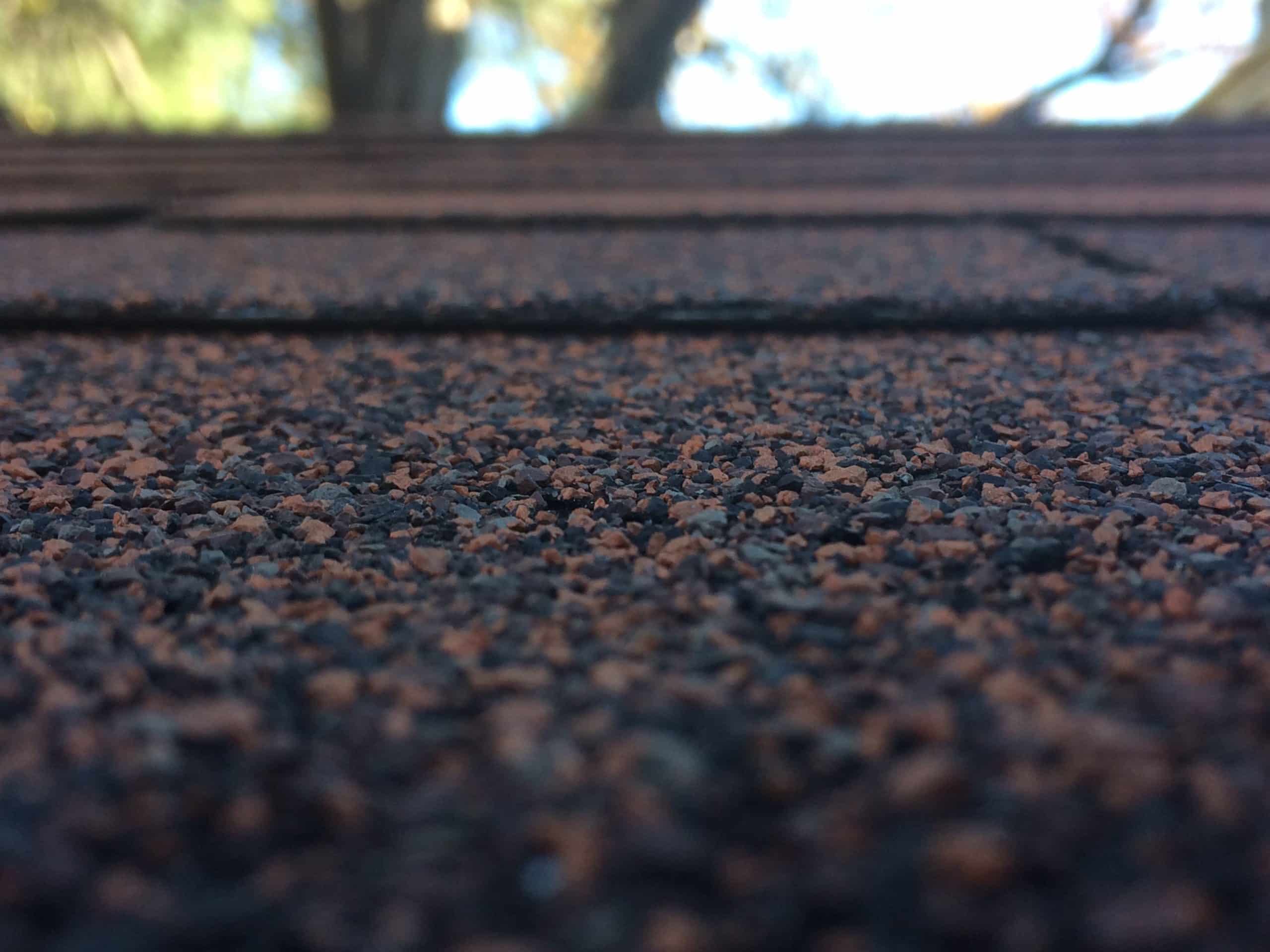
Choosing appropriate roofing materials also matters. Asphalt shingles offer accessible pricing and numerous styles, while metal roofing may provide longer service life depending on installation and environmental conditions.
Protecting the structure above makes it easier to invest confidently in everything below.
New siding can transform a tired-looking house, but covering damaged walls with attractive materials doesn’t solve underlying problems.
Moisture can enter through poorly sealed openings, deteriorated flashing, or damaged exterior components.
If these issues remain unresolved, new siding may conceal conditions that continue to worsen.
Before installation, homeowners should examine the underlying wall surfaces for water damage, deterioration, and structural concerns.
The condition of window and door openings deserves particular attention because these transitions can be vulnerable to moisture intrusion.
Material selection should account for maintenance expectations and local weather.
Vinyl, fiber cement, and wood siding each offer different advantages, but installation quality strongly influences performance.
An attractive exterior should be the result of sound construction, not a covering for existing damage.
Replacing outdated windows can improve indoor comfort and refresh a home’s appearance.
However, window performance depends on more than the glass itself.
Improper installation can leave gaps that allow air and water to enter around the frame.
Over time, hidden moisture may damage nearby insulation, drywall, and wooden components.
Homeowners should investigate recurring condensation, peeling paint, and soft trim before selecting replacements.
Energy performance ratings can help compare window options, but climate and orientation also influence suitability.
A window receiving strong afternoon sunlight may require different considerations than one facing a shaded yard.
Proper flashing and sealing are essential.
When windows and siding are being replaced together, coordinating the projects can reduce duplicated labor and improve the treatment of surrounding wall openings.
A beautiful garden can lose its appeal quickly when rainwater collects against the house.
Poor drainage may contribute to foundation moisture, basement dampness, soil erosion, and deteriorating exterior finishes.
Before installing decorative walkways, planting beds, or patios, homeowners should observe how water moves across the property.
Look for overflowing gutters, downspouts discharging too close to the building, and low areas where puddles remain after rainfall.
Some properties benefit from grading adjustments or additional drainage measures.
However, solutions should reflect the site’s soil conditions and applicable requirements.
Homeowners should also avoid directing runoff toward neighboring properties.
Addressing drainage early can protect landscaping investments while reducing the likelihood of moisture-related repairs.
Adding insulation is a popular way to improve comfort, particularly in homes with uneven temperatures between rooms.
But insulation alone may not solve the problem.
Warm or cooled air can escape through gaps around attic openings, plumbing penetrations, and other poorly sealed areas.
If these openings remain untreated, adding insulation may deliver less improvement than expected.
Homeowners should assess air leakage and insulation conditions together.
Attic ventilation and moisture control also require attention because inappropriate changes can create condensation problems.
The best approach depends on the building’s construction and local climate.
An energy assessment can help identify areas where improvements are likely to be most effective.
By addressing air leaks before adding insulation, homeowners can make their investment more productive.
Fresh drywall and decorative finishes can make an older room feel completely transformed.
However, renovating the walls before reviewing electrical requirements may lead to unnecessary demolition later.
Older homes sometimes lack sufficient outlets, convenient lighting circuits, or electrical capacity for modern appliances.
Kitchen renovations, home offices, and finished basements may introduce additional demands.
Before closing walls, homeowners should consider whether wiring, outlets, switches, or circuits require updates.
Electrical work should be performed by qualified professionals in accordance with applicable codes.
This is particularly important when renovations involve new appliances or substantial changes to room layouts.
Planning electrical improvements early can reduce disruption and help prevent freshly finished surfaces from being reopened.
New flooring can dramatically change the appearance of a room, but installation timing matters.
Replacing flooring before completing plumbing, electrical, or structural work increases the risk of scratches, stains, and unnecessary repairs.
Homeowners should also investigate uneven surfaces, persistent dampness, or damaged subflooring before choosing decorative materials.
Different flooring products have different moisture tolerances and installation requirements.
Hardwood, luxury vinyl, laminate, and tile each respond differently to environmental conditions.
Material selection should reflect room usage, maintenance expectations, and the condition of the underlying surface.
For example, moisture concerns in a basement may influence flooring choices more heavily than appearance.
Completing disruptive construction before installing finished floors helps protect the investment and produces a cleaner final result.
Home improvement projects often become expensive because homeowners approach each upgrade as a separate decision.
A better strategy is to identify which improvements depend on others.
Roofing and drainage problems should generally be addressed before vulnerable interior finishes are replaced.
Structural repairs should come before cosmetic coverings, while electrical and plumbing work should be coordinated before walls are closed.
Homeowners can begin by listing planned upgrades and identifying possible overlaps.
Request detailed contractor estimates, confirm permit responsibilities, and establish a realistic construction sequence.
Budget for unexpected discoveries, especially when renovating older properties.
It also helps to distinguish essential repairs from improvements that can wait.
Replacing damaged materials may be urgent, while decorative upgrades can often be scheduled later.
The most successful renovation isn’t necessarily the one that changes the most rooms.
It’s the one that addresses problems in a sensible order, protects completed work, and makes the home more comfortable and dependable.
When homeowners recognise how building systems interact, they can avoid paying twice for the same work and create improvements that continue delivering value long after construction ends.
SHARE:
…